

Church History
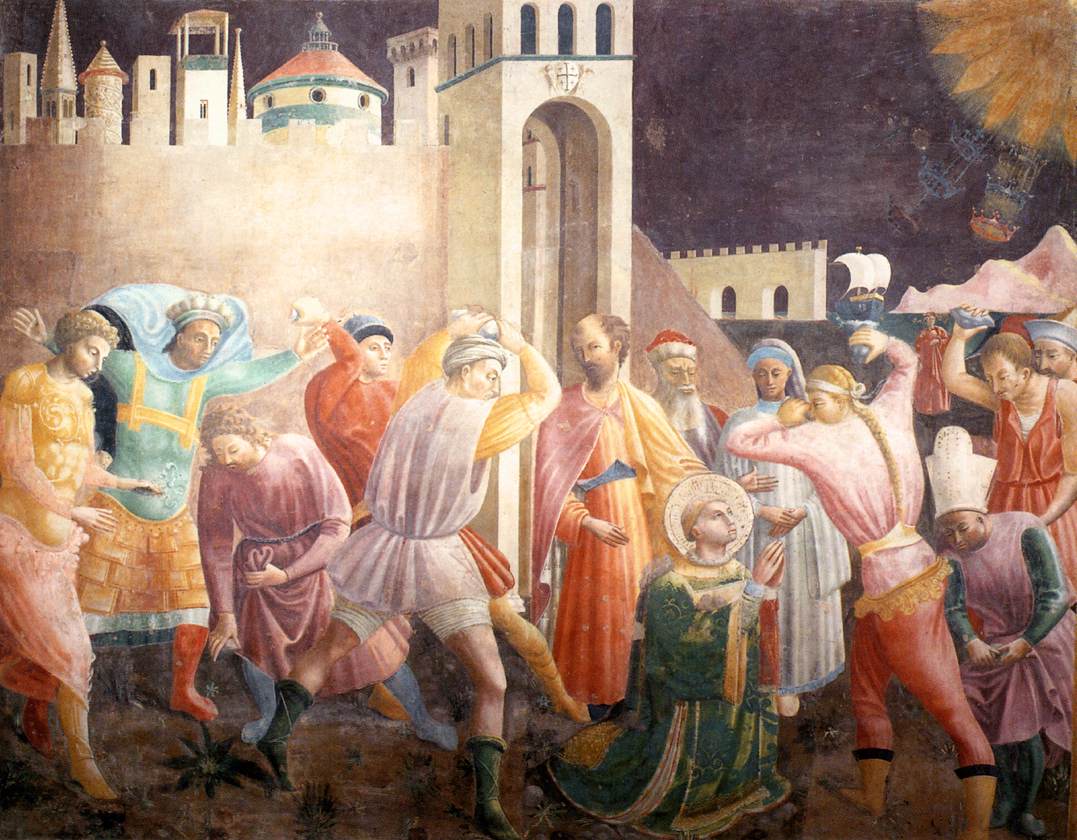
The Stoning of Stephen, c. AD 34: The First Christian Martyrdom
The Stoning of Stephen in Jerusalem marks the first Christian martyrdom and the beginning of widespread persecution, illuminating Acts 6–8 and the early church’s trials.
Follow decisive moments—from the Good News to the councils that confessed the faith.
9 Expeditions in this topic
9 expeditions
Church History
The Stoning of Stephen in Jerusalem marks the first Christian martyrdom and the beginning of widespread persecution, illuminating Acts 6–8 and the early church’s trials.
Archaeology & Evidence
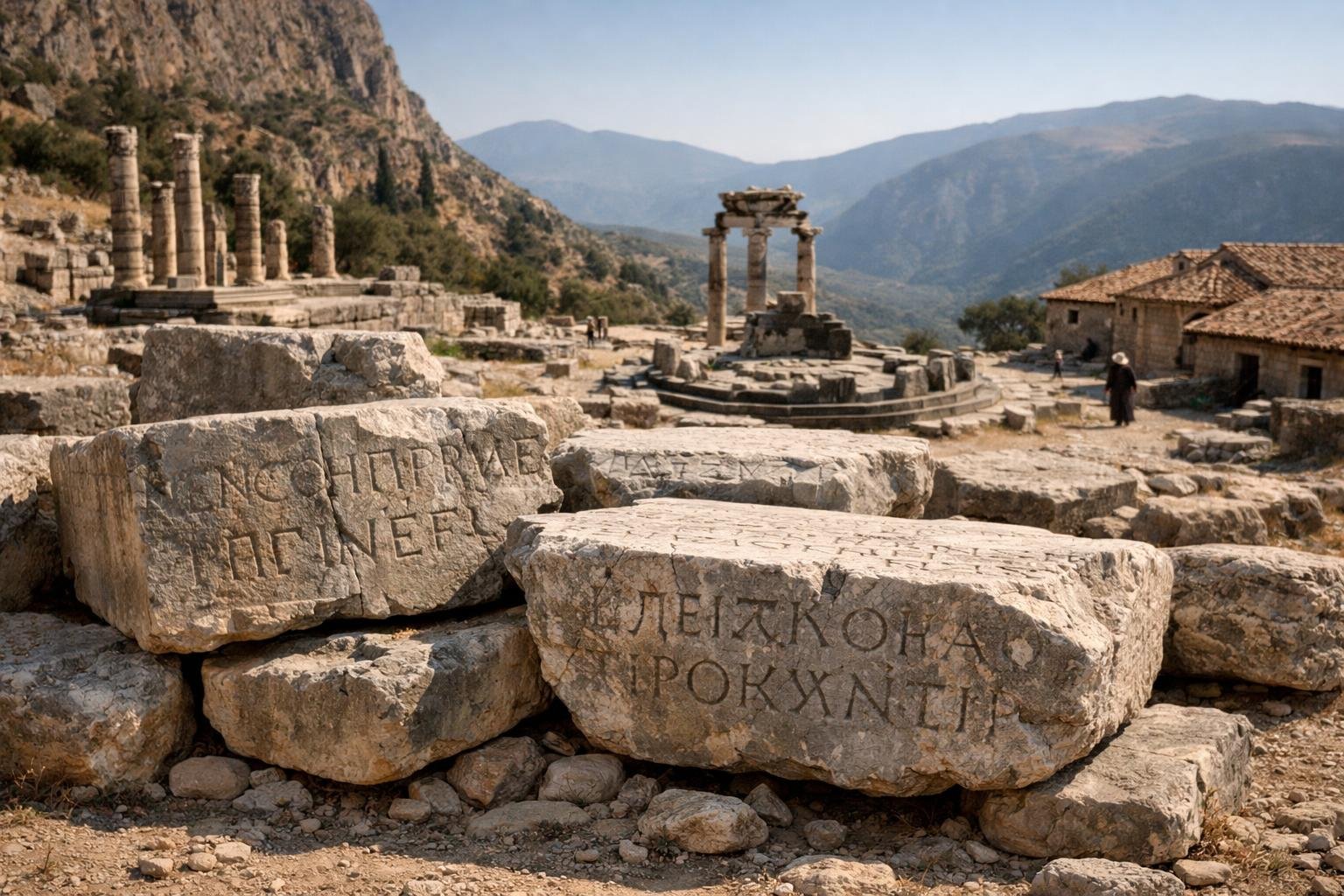
The Gallio Inscription, discovered at Delphi, is a marble record from Emperor Claudius that confirms Gallio as proconsul of Achaia, providing a fixed date for Paul's trial in Corinth as described in Acts 18:12-17.
Creeds & Councils
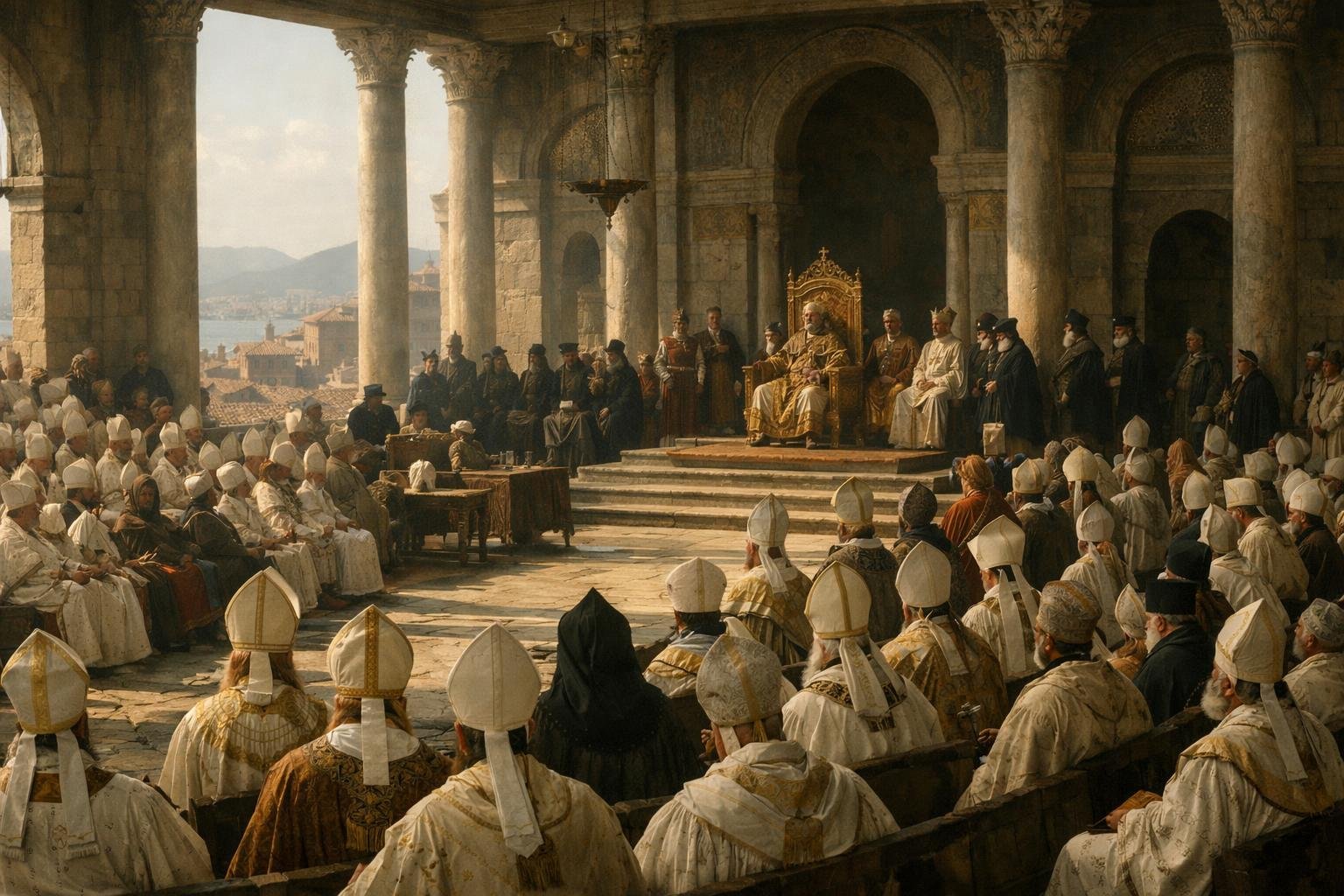
The Council of Chalcedon (AD 451) was a pivotal church council that defined how Christ’s divine and human natures coexist in one person, illuminating key passages about the incarnation.
How We Got the Bible
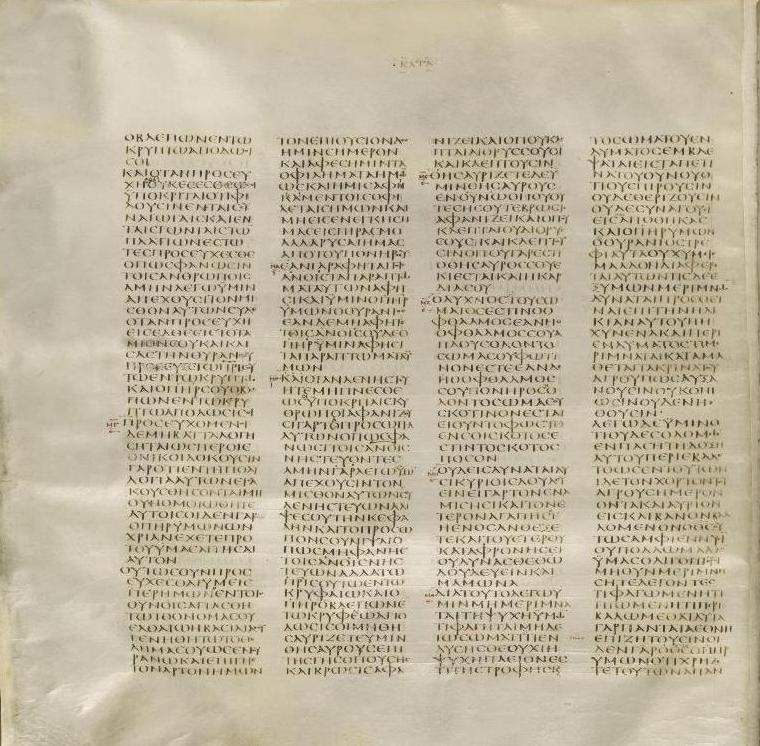
Codex Sinaiticus is a fourth-century Greek manuscript containing the oldest complete New Testament. Its discovery at Saint Catherine’s Monastery sheds light on how the Scriptures were preserved and the biblical warnings about altering God’s word.
People of the Bible
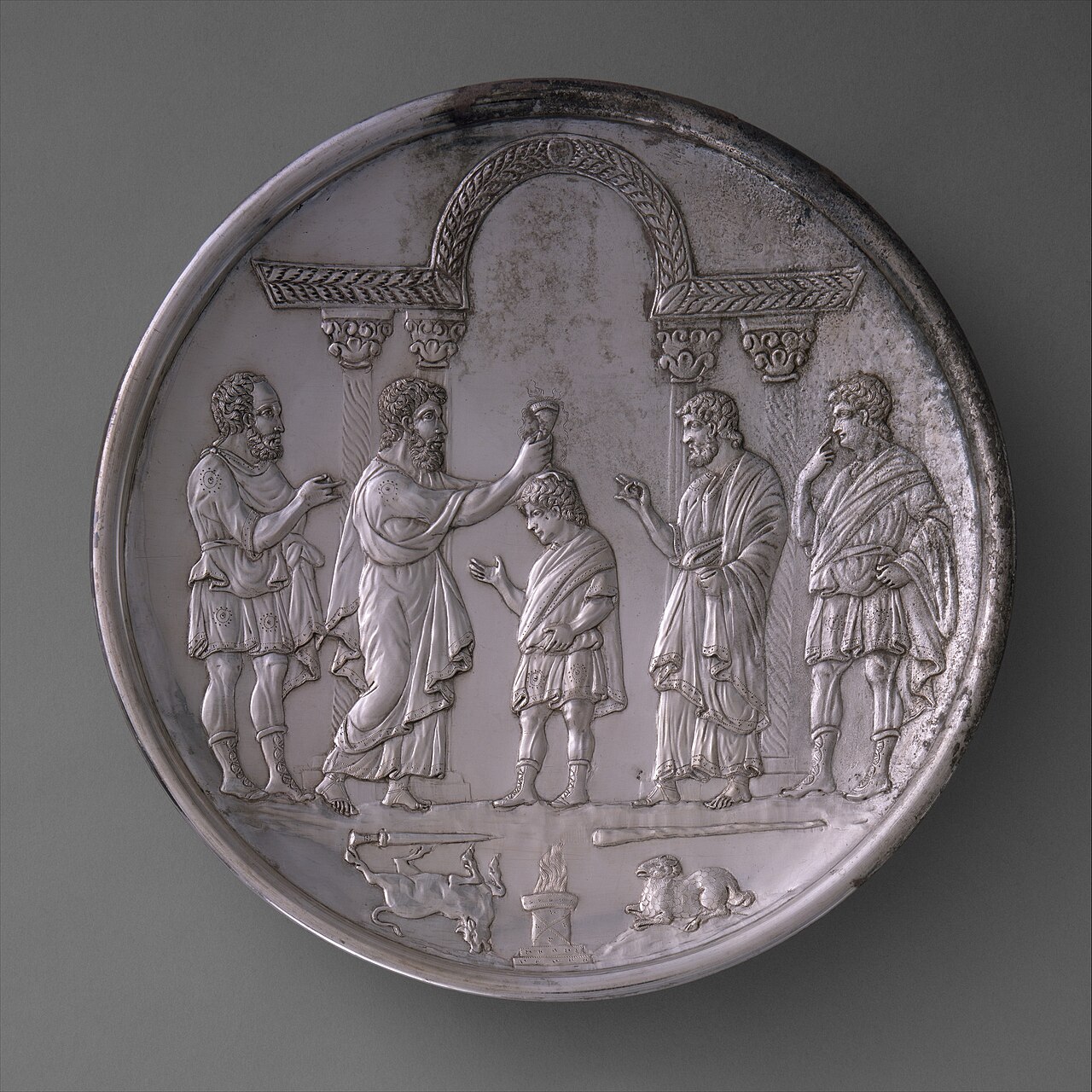
David, King of Israel, was a shepherd, warrior, and monarch whose life and legacy are central to the story of Israel and the promise of the Messiah. This Expedition explores his story and how it shapes the reading of 1 Samuel 16, 2 Samuel 5, Psalm 23, and Acts 13.
Early Judaism & Context
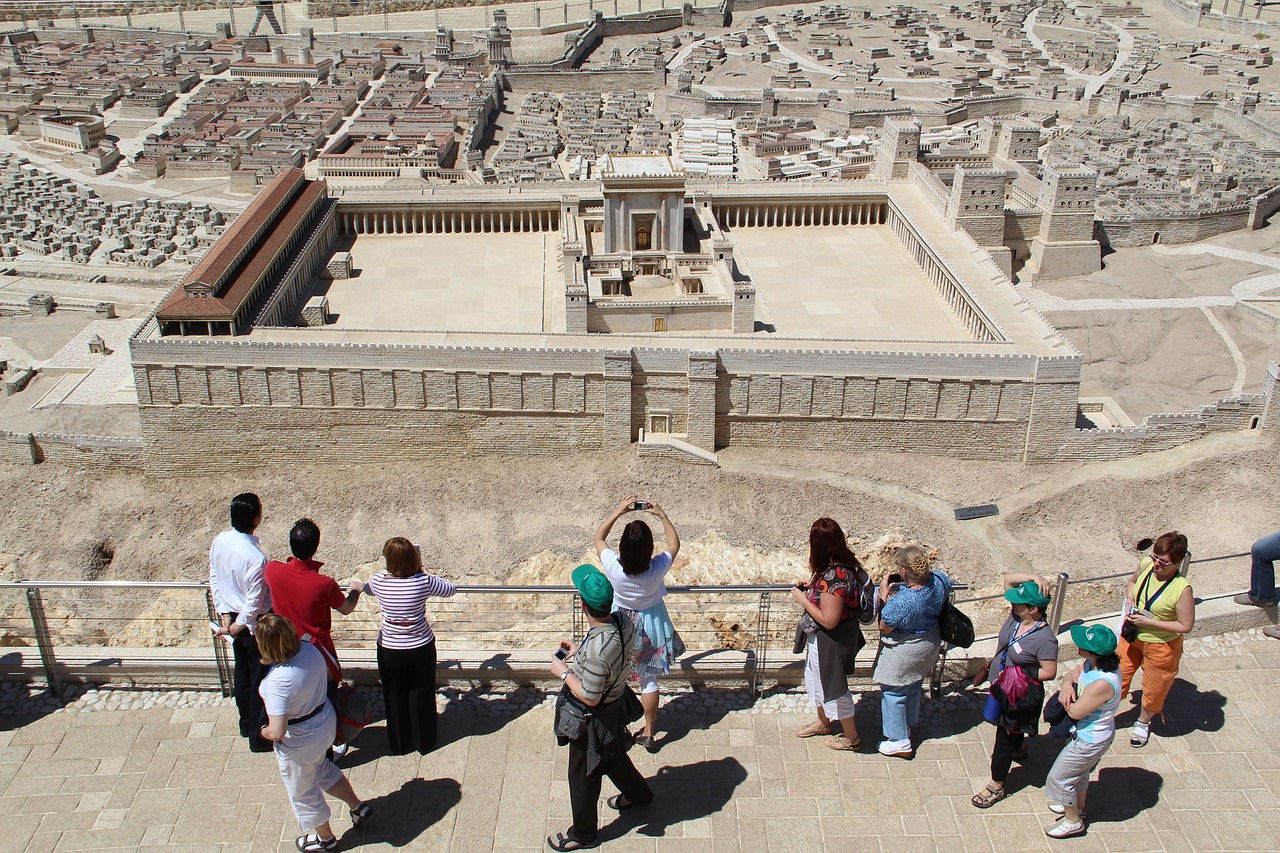
The Passover festival in Jerusalem during the Second Temple period shaped the setting and meaning of the Last Supper. This Expedition explores how the biblical command, Temple rituals, and the bustling city life illuminate the New Testament passion narratives.

Scripture & Geography
The Qumran caves near the Dead Sea yielded the Dead Sea Scrolls—ancient manuscripts that preserve some of the oldest known copies of Old Testament texts, revealing how passages like Isaiah 53, Psalm 22, Daniel 7, and Habakkuk 2 were read and transmitted around the time of Christ.
Church History
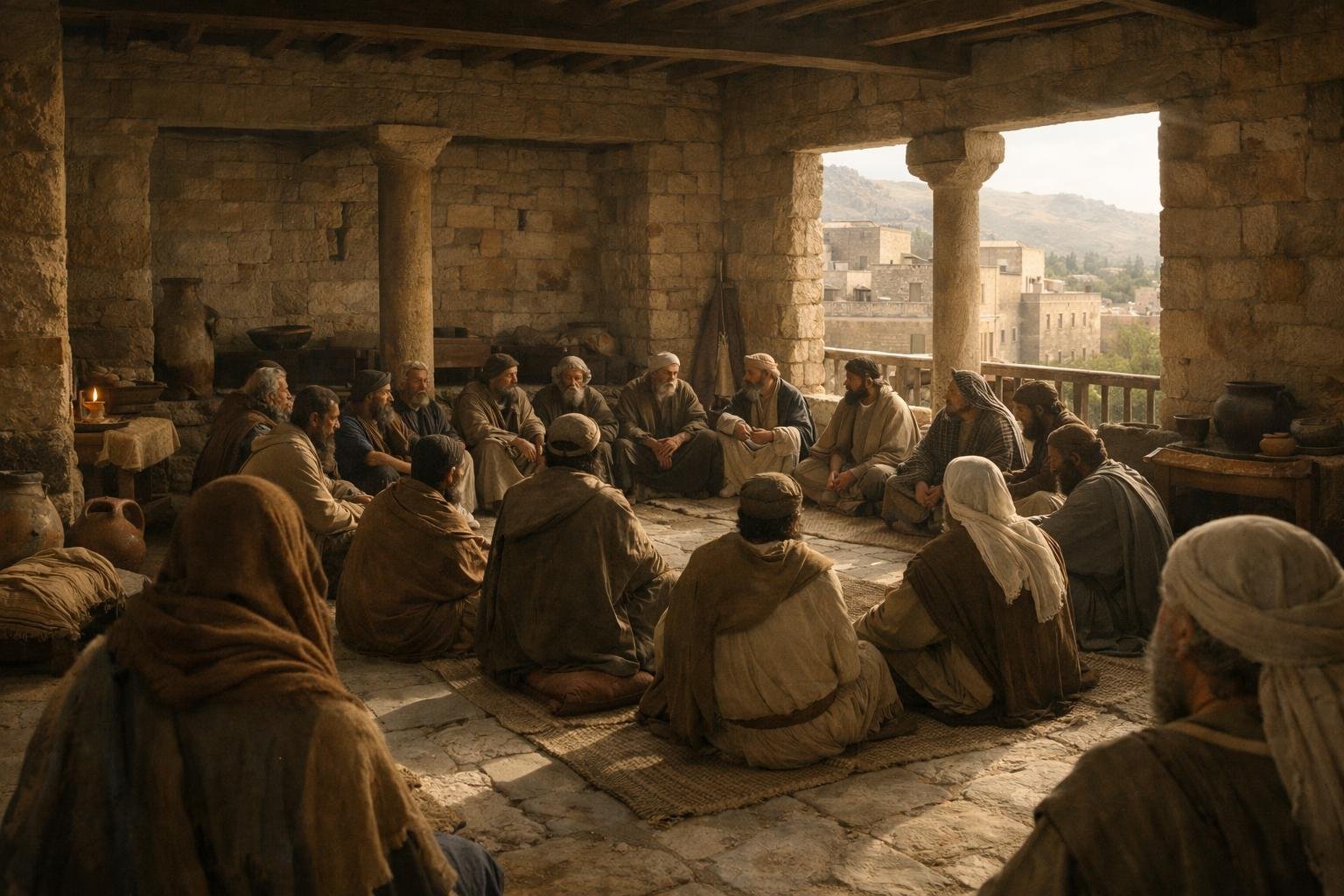
The Council of Jerusalem was the first major gathering of Christian leaders to decide whether Gentile converts must follow Jewish law, especially circumcision. This event, described in Acts 15 and Galatians 2, reveals how the early church defined the gospel as salvation by grace through faith.

The Good News
Paul’s Areopagus sermon in Athens (ca. AD 50) is a pivotal moment in Acts 17:16-34, where Paul engages Greek philosophers and proclaims the gospel using the altar to an unknown god.